
Projects & Species
Rare Arran Whitebeams — Hedlundia
Conservation Programme | Ongoing
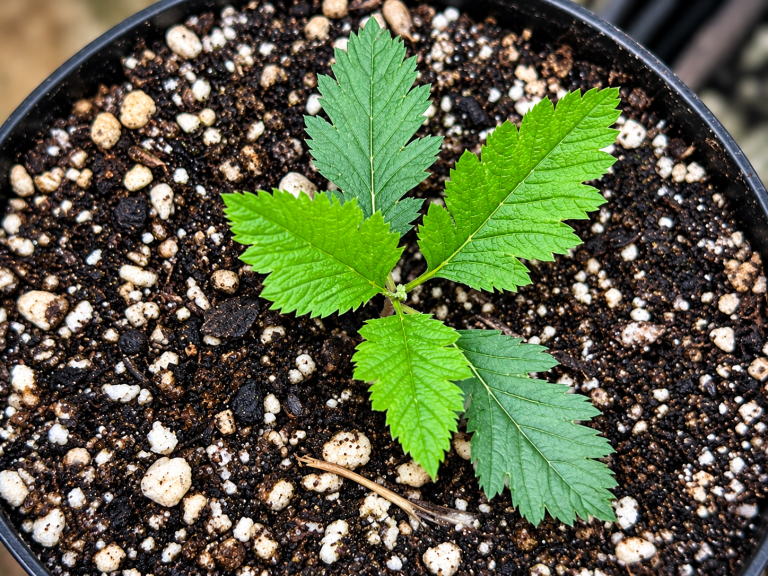
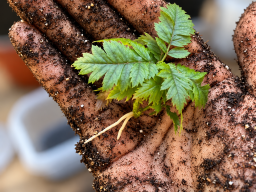
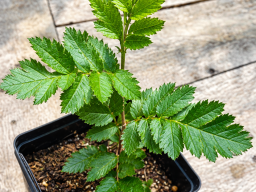
In collaboration with the National Trust for Scotland, In Vitro Microplants Ltd is developing specialist propagation methods for three of Scotland's rare Arran whitebeams: Hedlundia Arranensis, H. Pseudofennica and H. Pseudomeinichii.
These threatened trees present significant challenges for conventional propagation, making tissue culture a valuable tool for conservation.
Our work includes:
Establishment of sterile cultures from carefully selected plant material.
Development and optimisation of species-specific multiplication protocols.
Investigation of oxidative browning, antioxidant treatments and culture survival.
Rooting and acclimatisation trials to support successful transfer from laboratory to nursery conditions.
Our conservation programme has successfully progressed all three Hedlundia species through in vitro establishment, multiplication, rooting and ex-vitro acclimatisation. This represents an important step towards producing young trees for future conservation and restoration programmes.
Project partner: National Trust for Scotland.
Wych Elm (Ulmus glabra)
Conservation & Commercial Propagation | Ongoing
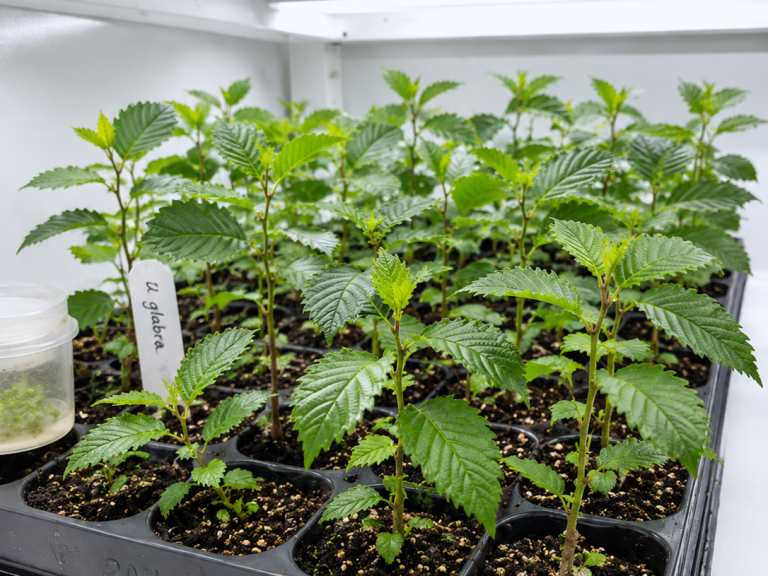
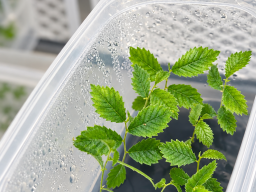
In collaboration with the Royal Botanic Garden Edinburgh, In Vitro Microplants Ltd has developed and applied specialist micropropagation methods for selected Scottish wych elm (Ulmus glabra) clones.
Wych elm is an important native woodland species threatened by Dutch elm disease. Our work supports the conservation of valuable genetic material and the production of young trees for future woodland restoration.
Our work includes:
Establishment of sterile cultures from selected elm material.
Clonal multiplication of individual elm genotypes under controlled laboratory conditions.
Optimisation of culture media and plant growth regulators to improve shoot development.
Rooting and acclimatisation of microplants.
Transfer of young trees into nursery growing conditions.
Production and delivery of elm plants for conservation programmes.
Project achievements
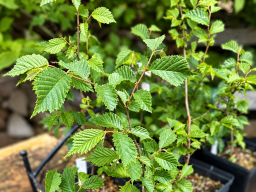
We have successfully multiplied and acclimatised several selected wych elm clones, progressing plants from laboratory cultures to established young trees.
Our propagation methods are continually refined to improve plant quality, rooting performance and survival during transfer to ex-vitro conditions.
Project collaborator: Royal Botanic Garden Edinburgh.
Dutch Elm Disease-Resistant Elms
Conservation & Commercial Propagation | Ongoing
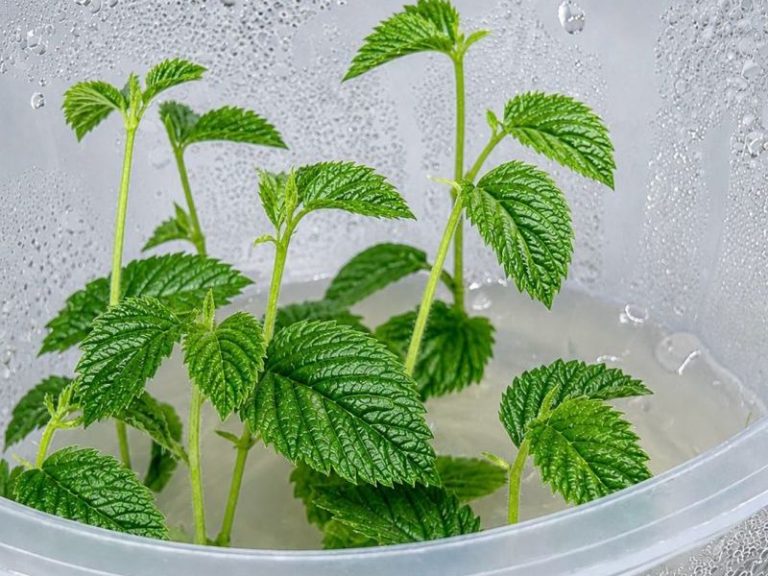
In Vitro Microplants Ltd is developing and applying specialist micropropagation methods for selected Dutch elm disease-resistant elm cultivars, supporting their multiplication and future use in commercial planting and woodland restoration.
Our work includes cultivars such as 'Morfeo', 'Lutèce', 'Fiorente' and 'San Zanobi', alongside additional elm selections undergoing propagation trials.
Our work includes:
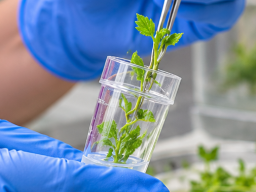
Establishment of sterile cultures from selected elm cultivars.
Development of cultivar-specific multiplication protocols.
Optimisation of culture media and plant growth regulators.
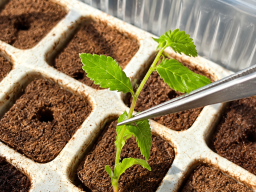
Rooting and acclimatisation of microplants.
Evaluation of plant performance during transfer to nursery conditions.
Project achievements
We have successfully established and multiplied several resistant elm selections, with selected cultivars progressing through rooting and acclimatisation.
Our ongoing research focuses on improving propagation efficiency, plant quality and the transition from laboratory production to nursery growing.
Our aim is to support the wider availability of valuable elm cultivars for nurseries, landscape planting and woodland restoration.
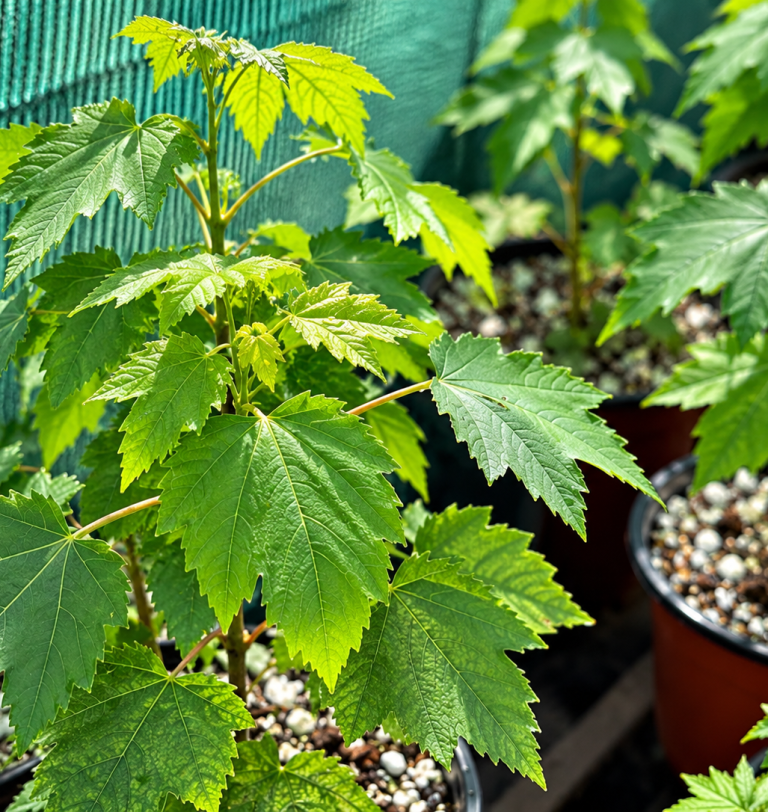
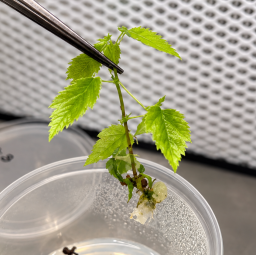
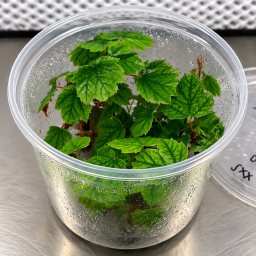
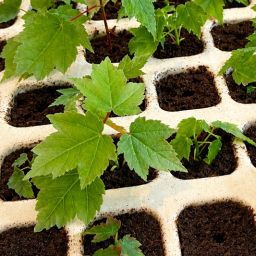
Acer rubrum ‘Brandywine’ — Micropropagation
Ornamental Tree Propagation | Research & Development
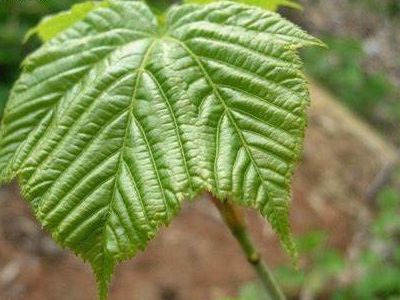
In Vitro Microplants Ltd has undertaken micropropagation research on Acer rubrum ‘Brandywine’, a commercially valuable ornamental maple known for its vibrant autumn foliage.
Our work focuses on developing reliable methods for establishing, multiplying and acclimatising this cultivar through plant tissue culture.
Our work includes:
Collection and preparation of suitable donor plant material.
Meristem and shoot-tip isolation under aseptic laboratory conditions.
Investigation of surface sterilisation and contamination control.
Evaluation of culture media and plant growth regulators.
Monitoring shoot development and multiplication potential.
Rooting and acclimatisation trials.
Project achievements
We have successfully established ‘Brandywine’ plant material in vitro and progressed selected plants through rooting and ex-vitro acclimatisation.
Our ongoing research aims to improve culture establishment, multiplication efficiency and plant survival during transfer to nursery conditions.
Project focus: Commercial ornamental tree propagation and protocol development.
Acer tegmentosum ‘Joe Witt’ — Micropropagation
Ornamental Tree Propagation | Research & Development
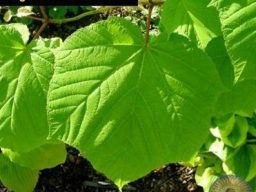
Acer tegmentosum ‘Joe Witt’ is a distinctive ornamental maple valued for its striking white-striped bark and attractive foliage.
At In Vitro Microplants Ltd, we are investigating tissue-culture methods for this cultivar as part of our commercial ornamental tree propagation programme.
Our research includes:
Selection and preparation of suitable donor plant material.
Culture initiation using shoot-tip and nodal explants.
Evaluation of surface sterilisation methods to reduce contamination.
Investigation of culture media and plant growth regulators.
Assessment of shoot development and multiplication potential.
Development of rooting and acclimatisation methods.
Project progress
Our work has included initial culture establishment and experimental propagation trials. Further optimisation is required to develop a reliable multiplication and rooting protocol suitable for commercial production.
This project forms part of our wider research into propagation methods for valuable ornamental tree cultivars that can be challenging to multiply using conventional techniques.
Project focus: Ornamental tree micropropagation and protocol development.


Betula utilis ‘Trinity College’ — Micropropagation Research
Ornamental Tree Propagation | Experimental Research
Betula utilis ‘Trinity College’ is an ornamental Himalayan birch valued for its distinctive pale bark and attractive growth habit.
At In Vitro Microplants Ltd, we have investigated tissue-culture techniques for this cultivar as part of our research into the propagation of challenging woody ornamental species.
Our research has included:
Selection and preparation of suitable donor plant material.
Investigation of shoot-tip and nodal explants for culture initiation.
Evaluation of surface sterilisation techniques and contamination control.
Assessment of oxidative browning and tissue survival.
Experimental culture media and plant growth regulator treatments.
Project findings
Initial experiments highlighted challenges associated with culture establishment and the survival of woody explants under in vitro conditions.
These investigations have contributed to our understanding of species-specific responses and informed further development of our propagation methods.
Project status: Experimental research — further protocol development required.


Corylus avellana — Micropropagation Research
Fruit & Nut Trees | Experimental Research
Corylus avellana (hazel) is an economically and ecologically valuable woody species, cultivated for nut production, ornamental planting and native woodland restoration.
At In Vitro Microplants Ltd, we have investigated tissue-culture techniques for hazel as part of our research into challenging woody plants and commercially valuable cultivars.
Our research includes:
Selection and preparation of suitable donor plant material.
Investigation of nodal segments and shoot-tip explants.
Evaluation of surface sterilisation and contamination control.
Assessment of oxidative browning and tissue survival.
Experimental culture media and plant growth regulator treatments.
Project findings
Our initial trials highlighted challenges associated with establishing and maintaining viable hazel cultures under in vitro conditions.
These experiments have contributed to our wider research into improving culture initiation and survival in difficult woody species.
Further development is required before a reliable multiplication and rooting protocol can be established for commercial production.
Project status: Experimental research — protocol development ongoing.
Ex Vitro & Nursery Trials
Rooting, Acclimatisation & Nursery Development
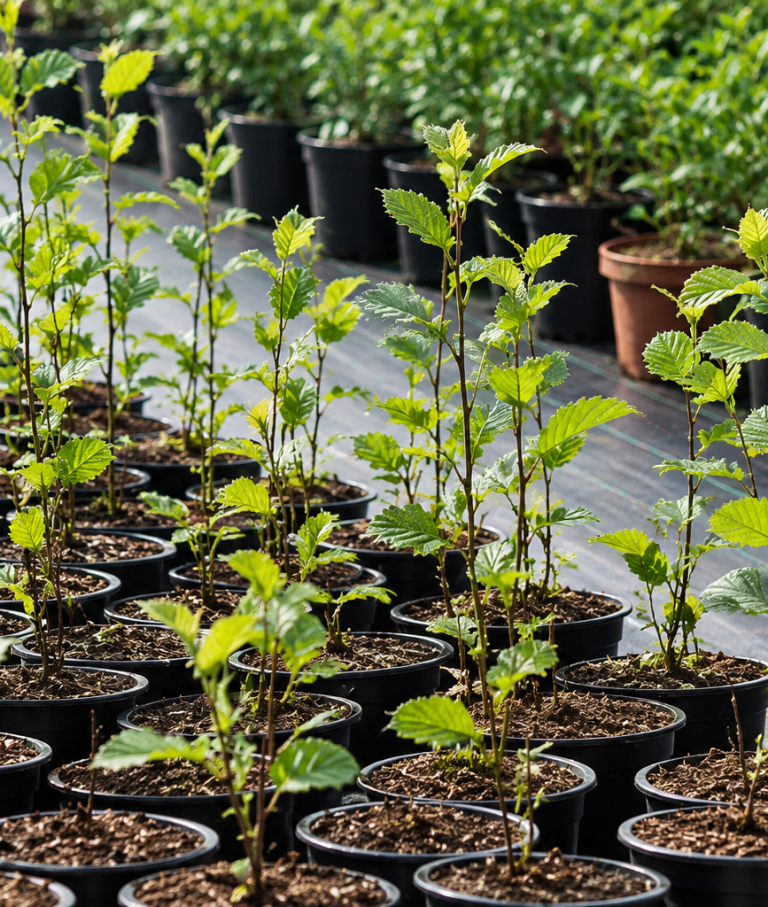
Our work extends beyond the tissue-culture laboratory into rooting, acclimatisation and nursery establishment.
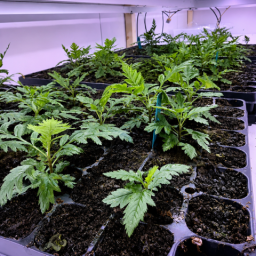
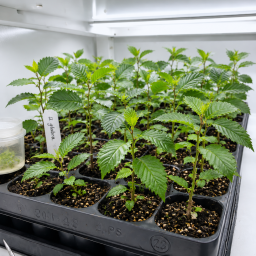
At In Vitro Microplants Ltd, we investigate practical methods for transferring microplants from controlled in vitro conditions into specialist hybrid trays, propagation trays and nursery growing environments.
Our development work includes:
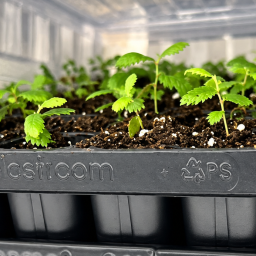
Rooting and establishment in specialist hybrid trays.
Gradual acclimatisation under perforated foil and humidity domes.
Evaluation of growing substrates and propagation systems.
Controlled-environment studies involving humidity, temperature and LED lighting.
Monitoring plant survival, root development and early growth.
Nursery and polytunnel trials with selected woody species.
Project achievements
We have successfully transferred selected elm, whitebeam and ornamental tree microplants into ex-vitro growing conditions.
Our ongoing trials aim to improve survival, plant quality and production efficiency while developing practical supply formats for commercial nurseries.
Project status: Established propagation methods with ongoing optimisation and nursery trials.